



















Between the Crisis of Abandoned Property on Brava and Social Emergency, Political Inaction, and Respect for the Law
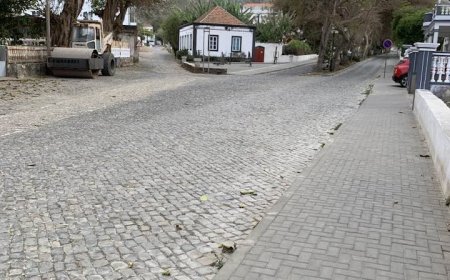
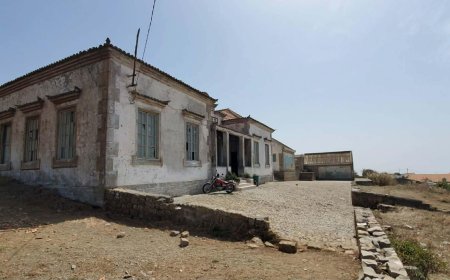
Nova Sintra, July 4, 2026 (Bravanews) — The issue of dilapidated and abandoned homes on Brava Island continues to fuel public debate, evolving from a social lament into a clear demand for political and legal action. The sight of vacant properties that once belonged to the diaspora—and which today dot the landscape of various towns on the island—raises complex issues that go far beyond nostalgia for emigration. Experts and residents are now directly pointing to the responsibility of local authorities and the central government, demanding the implementation of effective laws that can balance the urgent need for housing with scrupulous respect for the law.
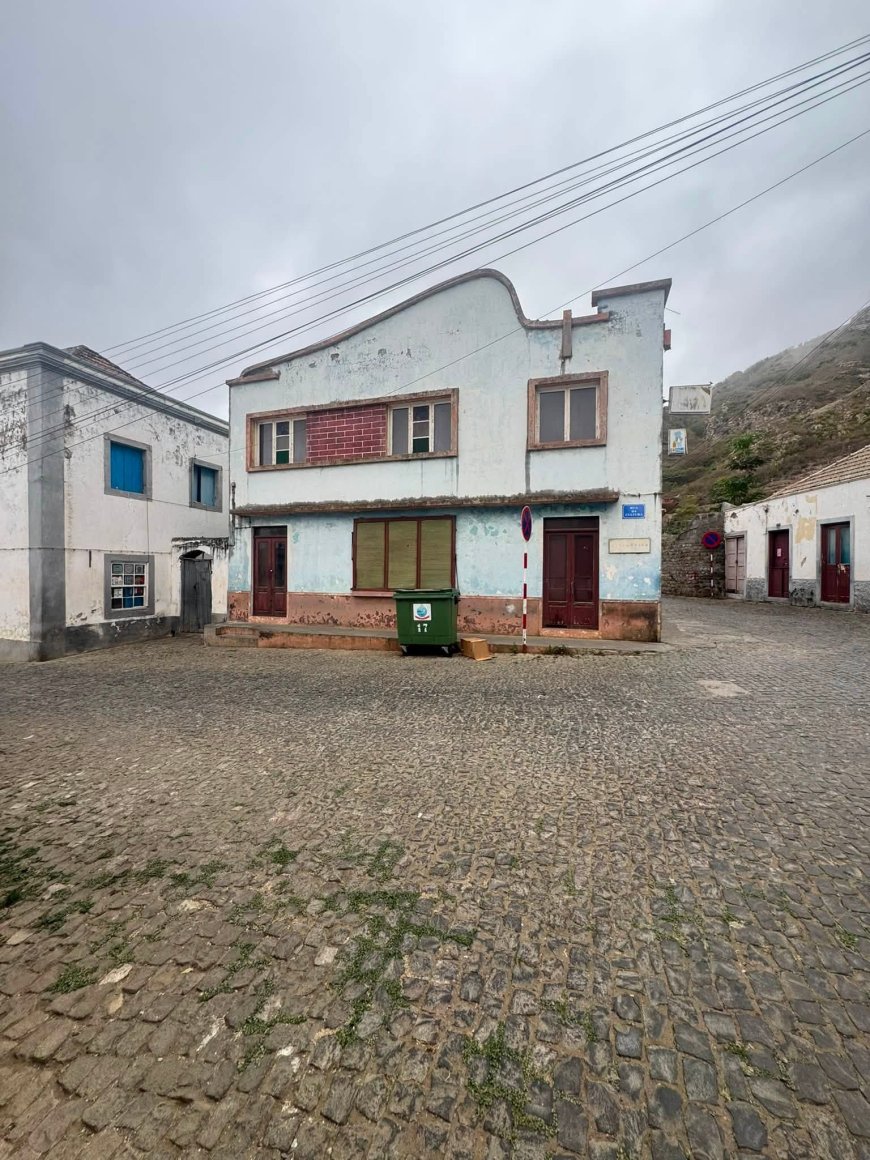
The causes of this prolonged abandonment are structural and widely known: the lack of succession planning among emigrant families, the high costs of maintaining properties from afar, and the gradual disengagement of new generations of the diaspora from their island of origin. However, the persistence of this situation has created an urban and social impasse. As properties fall into ruin, the demand for decent housing on the island increases, creating tensions over how to manage this seemingly unused heritage.
Faced with this reality, pressure is mounting for political leaders to break out of their inertia. Critics and citizens argue that it is up to the government and the Brava municipality to design and implement a modern and dynamic legislative framework. This package of measures should include tax incentives for urban rehabilitation, the streamlining of legal inheritance proceedings for heirs living abroad, and the creation of affordable rental housing. Civil society’s expectations are focused on the urgent presentation of concrete initiatives and measures by the local administration that will allow these buildings to be mapped, monitored, and put to social use.
However, resolving this problem treads a very fine legal line. At the heart of the discussion is the absolute necessity of ensuring respect for private property, a fundamental right protected by the Constitution. Analysts warn that any solution to the housing crisis must be strictly guided by the current legal framework, categorically rejecting any form of squatting or arbitrary expropriation of real estate. The preservation of public order and legal certainty is seen as non-negotiable, lest it drive away investment from the diaspora itself, which needs assurances that its assets are protected by law.
The challenge facing Ilha Brava therefore requires exemplary institutional and legislative diplomacy. The future of land-use planning and social welfare on the island depends on the authorities’ ability to build secure legal bridges. The goal is to find a model in which abandoned properties can be integrated into the housing market or repurposed for social purposes, without violating the rights of their rightful owners, thereby transforming what is currently an urban problem into a development opportunity for the entire community.
MS